


Slovakia Immigration 2026 Faster Permits for International Workers
Slovakia is trying to solve two problems at once in 2026: employers need more workers, and international applicants need an immigration process that is easier to navigate. The country has responded by improving residence permit administration, expanding Foreign Police capacity, and strengthening support for newcomers who plan to live and work there.
Published in August 2026, these changes sit within a wider push to make legal migration more practical for international workers and their families. With support from the European Commission, Slovakia is focusing not only on faster paperwork, but also on better integration once people arrive.
For skilled and semi-skilled workers, this matters. A delayed appointment or unclear process can affect job start dates, housing plans, school enrolment, and family relocation. A more efficient system does not remove the need for proper documents, but it can make the path less stressful and more predictable.
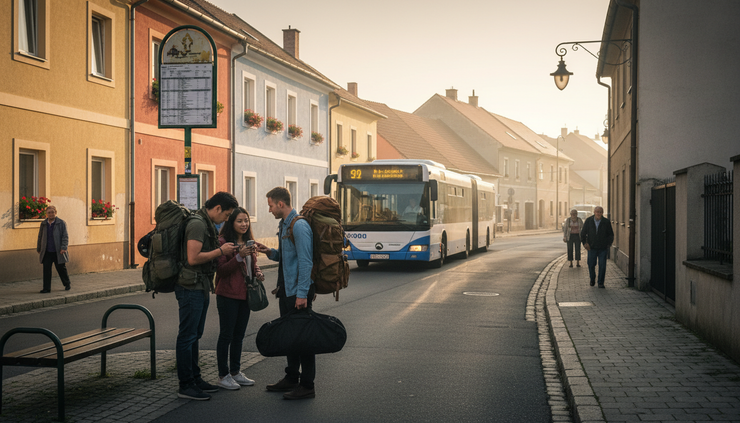
Slovakia is improving residence administration in 2026
The centre of the 2026 update is Slovakia’s residence administration system. Foreign Police offices play a key role in residence permit procedures, from appointments to document submission and follow-up steps. As more people apply to work in Slovakia, these offices face heavier demand.
To respond, Slovakia has expanded capacity at Foreign Police offices and introduced improvements to residence permit administration. The aim is clear: shorter waiting times, better appointment access, and a smoother experience for applicants.
For international workers, this can affect several parts of the process:
Appointment availability
More capacity should help reduce pressure on booking systems and make it easier for applicants to secure appointments.
Residence permit processing
Administrative improvements are designed to support more efficient handling of applications, especially as demand rises.
Family-related planning
When workers relocate with spouses, children, or dependants, better processing can help families plan housing, education, and travel with more confidence.
Employer coordination
Companies hiring from abroad often need to align work start dates with immigration timelines. A more reliable system helps employers plan staffing more responsibly.
These changes do not mean every application will move quickly or that approvals are automatic. Applicants still need to meet the legal requirements, submit correct documents, attend appointments, and follow official instructions. But a better-managed system can reduce avoidable delays caused by limited appointments or administrative bottlenecks.
For those researching Slovakia Migration from UAE, the main practical takeaway is to prepare early. UAE residents planning a move to Slovakia should confirm the correct visa or residence route, gather documents in the required format, and check whether translations, legalisation, or apostille procedures apply to their paperwork.
Immigration rules can change. The safest approach is to check official Slovak government sources or seek qualified advice before submitting an application.

Labour shortages are driving demand for international workers
Slovakia’s immigration improvements are closely linked to labour market demand. The country has built a strong industrial base, especially in manufacturing and production. As businesses grow and compete for workers, international recruitment has become more important.
Several sectors continue to need skilled and semi-skilled employees, including:
Automotive manufacturing
Construction
Engineering
Logistics and warehousing
Information technology
Healthcare
Industrial production
Technical and maintenance roles
Automotive manufacturing is especially significant for Slovakia’s economy. The country is widely known as a major car producer in Europe relative to its population. This creates demand not only for factory roles, but also for suppliers, logistics teams, maintenance specialists, quality control staff, and engineers.
Construction and infrastructure-related work also need a steady workforce. These roles can include site workers, machine operators, electricians, welders, plumbers, supervisors, and safety-focused technical staff. Some roles require formal qualifications, while others depend more on experience and employer sponsorship.
Technology and healthcare add another layer to the labour demand. IT employers often seek software developers, network specialists, cybersecurity talent, systems administrators, and support staff. Healthcare demand can include nurses, carers, technicians, and other medical support roles, subject to recognition of qualifications and language requirements.
The point is not that every worker will qualify automatically. Slovakia still applies legal migration rules and labour market requirements. What has changed is the effort to make the system better able to handle rising demand.
For employers, a stronger immigration process can make international hiring more practical. For workers, it can make Slovakia a more realistic destination when comparing opportunities across the wider Europe Migration market.
A faster permit environment may also help reduce uncertainty. When workers face long waiting periods, they may accept offers elsewhere. When employers cannot predict onboarding timelines, they may delay projects or struggle to fill shifts. Better administration helps both sides make firmer plans.
Better integration is part of the immigration update
Slovakia’s 2026 approach is not only about issuing permits faster. The country is also paying more attention to what happens after arrival.
Integration matters because a work permit or residence card is only one part of relocation. Newcomers also need to understand local systems, access services, communicate with authorities, find housing, settle children into school, and adjust to workplace culture.
The European Commission has highlighted the value of accessible public services and cooperation between local authorities, employers, and communities. That direction is visible in Slovakia’s focus on improving integration support.
A stronger integration system can help international workers in several ways:
Clearer information
New workers need practical guidance on local registration, residence obligations, healthcare access, tax matters, and daily life.
Better local support
Municipalities and public service providers can help newcomers understand where to go and which documents to bring.
Employer involvement
Employers often play a key role in helping workers settle, especially during the first months after arrival.
Family adaptation
Workers who relocate with families need support beyond the workplace, including schools, health services, and community connections.
Long-term retention
People are more likely to stay when they can build a stable life, not just hold a job.
This is an important shift. A country can attract workers with job offers, but it keeps them through fair systems, clear communication, and everyday support. If workers feel lost after arrival, the hiring process becomes less effective. If they can settle properly, employers and communities both benefit.
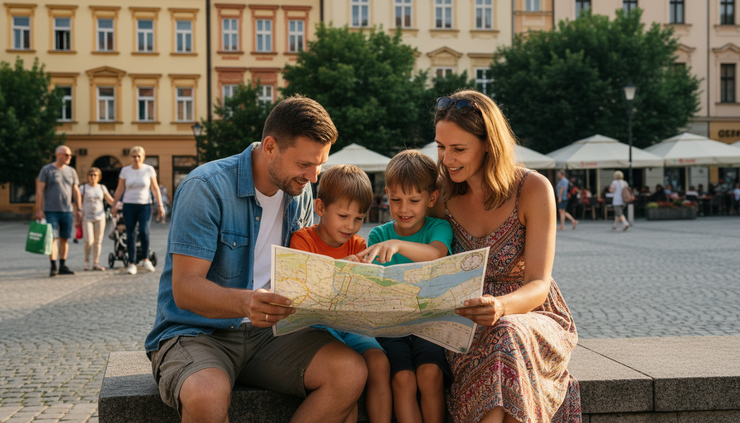
What applicants should prepare before applying
A better immigration system helps, but applicants still carry responsibility for their own documents and timelines. The most common delays often come from missing paperwork, incorrect forms, expired documents, or misunderstanding the required route.
Anyone planning to work in Slovakia in 2026 should start with the official requirements for their nationality, job type, and residence purpose. The exact process can vary depending on the role, employer, qualifications, and whether family members are joining.
A practical preparation checklist may include:
Valid passport with enough remaining validity
Employment offer or work-related documents
Proof of accommodation, if required
Evidence of financial means, where applicable
Criminal record documents, if required
Health insurance or medical documents, where applicable
Translated documents in the required language and format
Legalised or apostilled documents, if required
Appointment confirmation and application forms
Applicants should also leave time for document preparation before booking travel. Some records can take weeks to obtain. Translations and legalisation can add more time. If a family is relocating, each person may need separate documents.
Language can also matter. While some international workplaces operate in English, many public services and local interactions may require Slovak or support from someone who understands the system. Workers who learn basic Slovak phrases before arrival may find daily life easier, especially outside major cities.
Housing should be planned carefully too. Some residence procedures may require proof of accommodation. Even when not required at an early stage, securing suitable housing is one of the biggest practical steps in relocation. Workers should confirm lease terms, location, transport access, and whether the address can be used for official registration if needed.
Employers can make the process easier by giving clear documents, explaining job details accurately, and helping with appointment planning where appropriate. Workers should keep copies of all submitted documents and track important dates, including permit validity, renewal periods, and reporting obligations.
This content is for general information only. Immigration procedures are legal matters, so applicants should always rely on official Slovak sources or qualified immigration support for case-specific advice.
The 2026 changes signal a more worker-ready Slovakia
Slovakia’s improvements show a practical response to a changing labour market. The country needs international workers in key industries, and those workers need a system that can handle applications with less friction.
The most meaningful part of the 2026 update is the combination of faster administration and better integration. Faster permits help people arrive and start work. Integration support helps them stay, contribute, and build a stable life.
That balance matters for Slovakia’s future workforce. If employers can hire legally and predictably, they can fill gaps in production, construction, logistics, healthcare, technology, and other sectors. If workers can access clearer services, they are more likely to settle successfully.

For international workers, the message is encouraging but practical. Slovakia is investing in a more efficient immigration experience, yet preparation still matters. A complete application, correct documents, and up-to-date official guidance remain the foundation of a successful move.
The best next step is simple: check the latest Slovak immigration requirements before applying, prepare documents early, and treat the 2026 improvements as support for the process, not a replacement for careful planning.


Comments